Fashion design is one of the most creative and dynamic industries in the world today. From sketching innovative ideas to bringing them to life through fabric, a designer’s learning journey involves both imagination and skill. With the growth of technology and flexible learning methods, students now have the advantage of learning both online and offline, creating a complete and balanced educational experience.
1. The Strength of Online Learning
Online learning has revolutionized education, making quality fashion design training accessible to everyone, regardless of location. It allows students to gain global exposure while studying from the comfort of their homes.
Key benefits of online learning include:
- Flexibility: Students can attend recorded and live classes at their convenience, revisiting lessons whenever needed.
- Global Exposure: Access to international trends, digital workshops, and design discussions with experts.
- Digital Tools: Learning software such as Adobe Illustrator, Photoshop, or 3D fashion design tools like CLO3D helps students stay ahead of modern trends.
- Independent Learning: Online education builds discipline, time management, and self-motivation, qualities essential for any designer.
With structured online lessons, learners can explore new styles, improve digital design skills, and develop a strong creative foundation.
2. The Value of Offline Learning
While online classes build theoretical and digital skills, offline sessions bring creativity to life through practical experience. Fashion design is a tactile art, it requires interaction with materials, textures, and patterns.
Offline learning offers:
- Hands-on Experience: Students learn fabric draping, garment construction, pattern drafting, and sewing directly in studios.
- Peer Collaboration: Working in groups enhances communication, teamwork, and creative exchange.;
- Live Workshops: In-person seminars, fashion shows, and exhibitions offer real-time exposure to the fashion industry.
- Personal Mentorship: Direct feedback from faculty helps refine techniques and design sensibility.
Face-to-face interaction enables students to experiment, make mistakes, and learn through experience, a crucial aspect of becoming a designer.
3. The Perfect Blend: Hybrid Learning
The combination of online and offline learning, known as hybrid education, is becoming the future of fashion studies. It balances digital flexibility with practical understanding, giving students the best of both worlds.
In a hybrid setup, students can attend theory sessions online, followed by in-campus workshops for practical application. They can also interact with mentors and peers virtually while completing real-world design projects.
Advantages of hybrid learning:
- Develops both digital and manual design skills.
- Encourages adaptability to new learning methods.
- Allows access to global industry insights while staying connected to local fashion culture.
- Offers a flexible and efficient way to balance studies with internships or part-time work.
Hybrid learning ensures that students not only learn how to create but also how to present and promote their designs in the digital age.
4. Tips for Effective Learning
To make the most of online and offline education, fashion design students should focus on developing a consistent learning routine.
Here are some effective tips:
- Stay Organized: Keep a schedule for online classes and studio sessions.
- Use Technology: Learn software that enhances your design portfolio.
- Research Regularly: Follow global fashion trends and exhibitions.
- Practice Daily: Apply classroom lessons to your own creative projects.
- Seek Feedback: Regularly consult mentors to refine your designs.
Success in fashion design depends not only on talent but also on dedication, curiosity, and continuous learning.
The world of fashion is constantly evolving, and so should the way students learn. By combining the strengths of both online and offline learning, aspiring designers can master technical skills, nurture creativity, and prepare themselves for global opportunities.
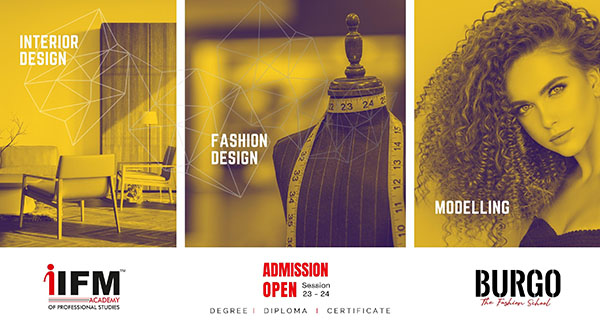
IFM Academy strongly believes in this balanced approach to education. Through its blended learning structure, students receive both digital knowledge and hands-on exposure, empowering them to become confident, skilled, and industry-ready fashion professionals.
At IFM Academy, hybrid learning includes:
Live online theory sessions followed by offline practical workshops.
Digital sketching and 3D design online, complemented by pattern-making in class.
Industry interactions through virtual guest lectures and on-ground internships.
Flexible schedules allowing students from different locations to participate in global opportunities.
This blend helps students adapt to modern work environments, where designers often coordinate digitally yet produce physically.